
4 Considerations When Choosing a Fume Hood for Your Lab
A fume hood is one of the most important safety investments you can make for your lab. The right choice protects users, maintains compliance, and ensures your workspace runs efficiently for years to come. But with so many options, where do you start? Here are four key considerations to guide you.
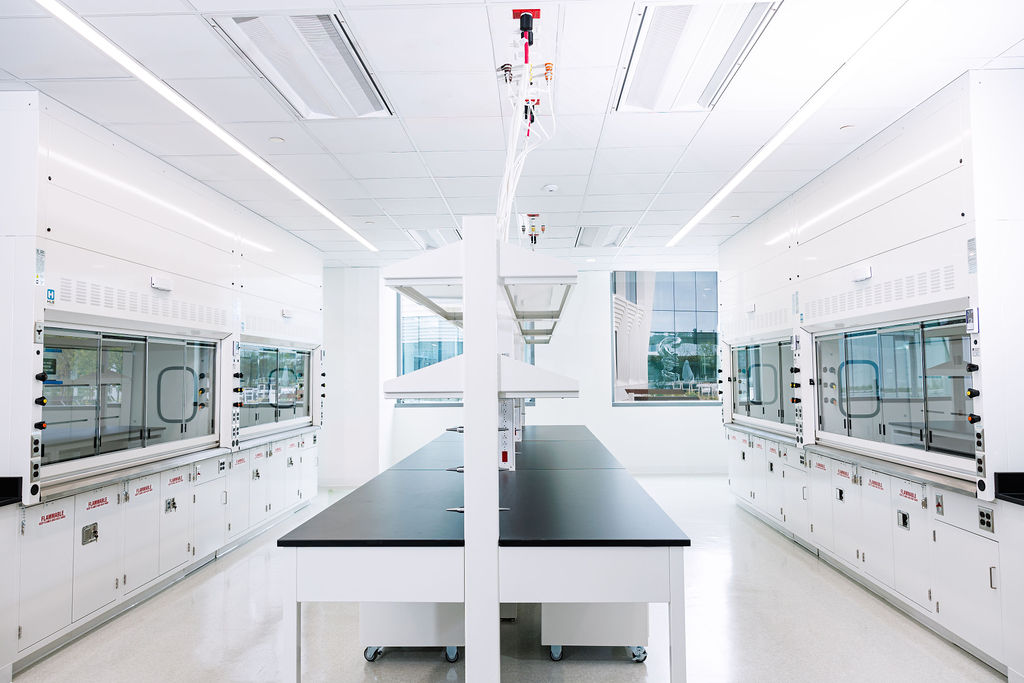
1. Choose the Right Type of Fume Hood
The first step is to match the fume hood to your lab’s specific applications. Ask yourself:
- What will be placed inside the hood? (equipment size, chemical types, specialty materials)
- What is the size of the room and available space?
Hanson offers two main styles:
- Benchtop Fume Hoods (5SA Series) – Flexible options for general-purpose labs, available in General Purpose, Hi-Line (taller for oversized equipment), and ADA-compliant models.
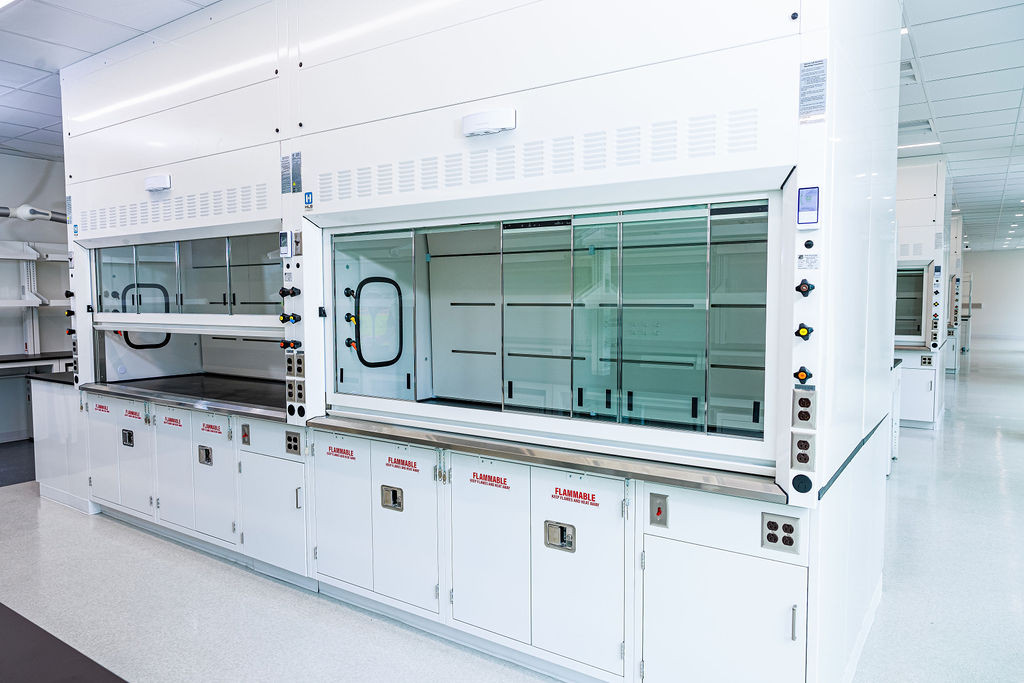
- Floor-Mounted Fume Hoods (4SA Series) – Walk-in designs with vertical or horizontal sashes, ideal for large equipment or demanding experimental setups.
From there, you’ll select sash style (vertical, horizontal, combination, or split) and base cabinets (for flammables, corrosives, or vacuum pumps) to best fit your workflow.
2. Factor in Budget and Energy Costs
Beyond the purchase price, energy consumption plays a big role in long-term costs. Fume hoods require significant airflow, which impacts HVAC performance across your entire facility.
- Plan early with your MEP engineer to ensure the building supply and exhaust systems can handle your needs. Your building infrastructure will often determine whether you use Constant Air Volume (CAV) or Variable Air Volume (VAV).
CAV Systems
- Best for lab remodels or retrofits in existing buildings without modern HVAC integration.
- Lower upfront cost but less energy efficient long-term, since airflow runs constantly.
VAV Systems
- Designed to be integrated into the HVAC systems which is typically best for new builds.
- Higher upfront investment but reduces energy use by adjusting airflow when hoods are idle (nights/weekends).
- Over time, VAV systems are the most cost-effective solution.
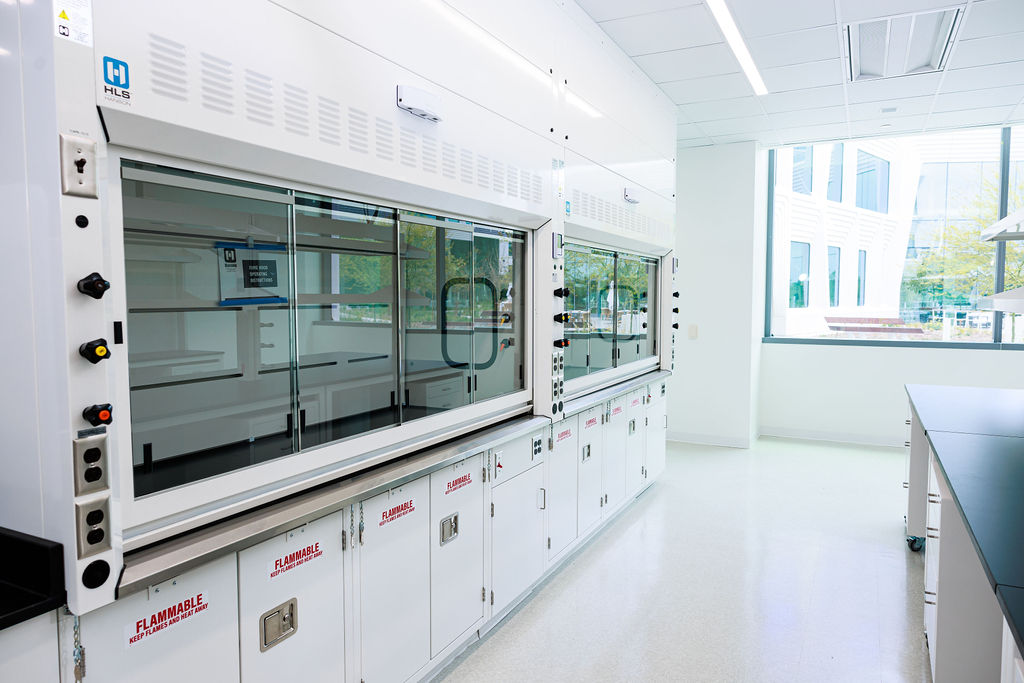
3. Plan for Placement
Where you install your fume hood matters as much as the hood itself. Poor placement can compromise performance.
- Position hoods away from doors, windows, and heavy traffic areas to reduce drafts.
- Leave proper clearance for safe operation and maintenance.
- Ensure the exhaust vents directly outdoors—never back into the lab.
- If future expansion is likely, plan ducting and blower capacity now to save costs later.
- Avoid under sizing. Running out of available airflow can compromise both safety and usability.
- Stay compliant. Always confirm local codes and EH&S requirements. Plan to have your fume hoods field tested and certified to ensure your fume hood is operating at a safe level.
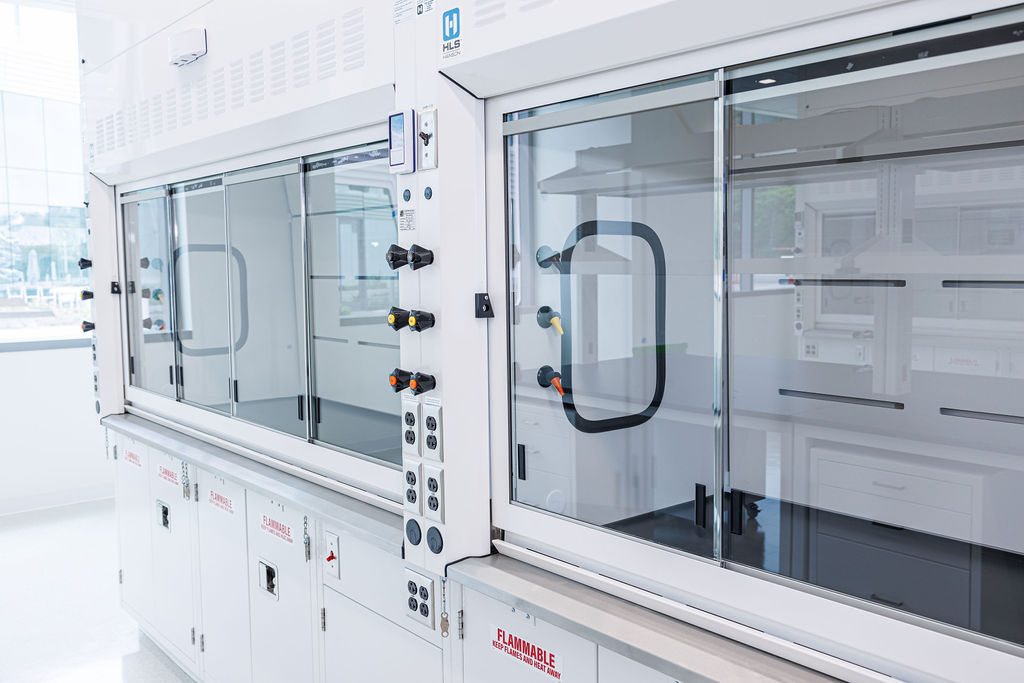
4. Accessories and Safety Features
Finally, consider the add-ons and controls that improve functionality and safety:
- Base cabinets for flammables, acids, or corrosives.
- Low-flow alarms to alert users if airflow is blocked (common on CAV systems).
- Sash style and operation: Combination sashes offer the most flexibility, while auto-sash options enhance safety in labs handling heavy equipment.
- Interior liners and material choices to match the chemicals you’ll use.
Final Thoughts
Selecting a fume hood is about balancing safety, efficiency, and long-term flexibility. By considering your lab’s applications, budget, airflow system, and placement, you’ll make a choice that protects both your team and your investment.
At Hanson Lab Solutions, we combine over 50 years of lab expertise with the advantage of both designing and manufacturing our fume hoods in-house at our Southern California facility. This allows us to maintain complete quality control while delivering solutions tailored to each project’s needs. Plus, our fume hoods have been tested to ASHRAE-110-1995 specifications and are UL 1805 Listed, as manufactured.
Our dedicated Lab Design Specialists partner with you from concept through installation, ensuring the fume hood you select aligns with your budget, safety requirements, and long-term goals.
Explore our full range of fume hood solution and connect with a Lab Design Specialist today to get started on your next project.